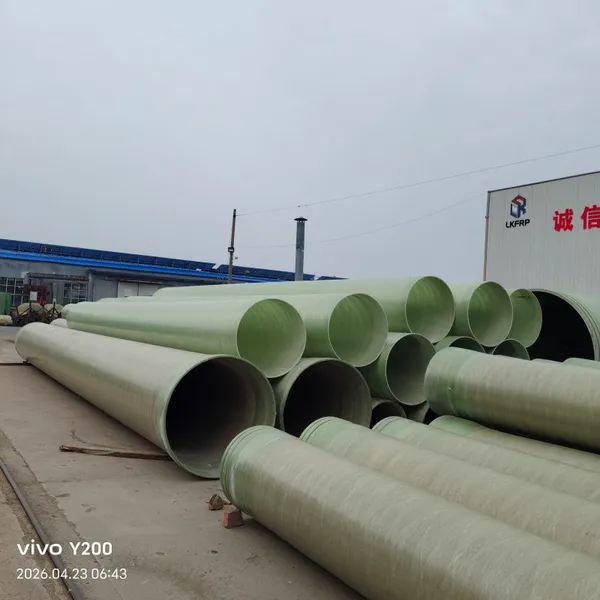
 Business License

Advantages and Technical Characteristics of Fiberglass Hydrochloric Acid Storage Tanks
In chemical production, hydrochloric acid, as a highly corrosive medium, imposes strict requirements on the material selection of storage containers. Traditional steel tanks require complex anti-corrosion linings and incur high maintenance costs. FRP (Fiberglass Reinforced Plastic) tanks, with their excellent corrosion resistance and design flexibility, have become an ideal choice for hydrochloric acid storage.
1. Material Properties of FRP Tanks
FRP tanks are manufactured using synthetic resin as the matrix and glass fiber as reinforcement, through the filament winding process. The selection of the resin system is critical for hydrochloric acid service.
Corrosion-resistant resin: FRP for hydrochloric acid tanks typically uses bisphenol A unsaturated polyester resin or vinyl ester resin. After curing, these resins form a highly cross-linked chemical structure that effectively resists the permeation and chemical attack of hydrochloric acid. Vinyl ester resin performs more stably in higher concentrations of hydrochloric acid (above 30%) and at elevated temperatures.
Liner structure: The inner wall of the tank is composed of a resin-rich liner layer with a resin content of over 70%, forming a dense anti-corrosion barrier that prevents the medium from contacting the glass fibers. This design ensures no leakage occurs during long-term service.
Structural layer design: Based on the tank diameter, height, and medium density, the filament winding process precisely controls the glass fiber content and winding angle to ensure adequate strength and stiffness. The density of FRP is approximately one-quarter that of steel, significantly reducing the tank's self-weight and foundation load.
1. Structural Types and Specifications
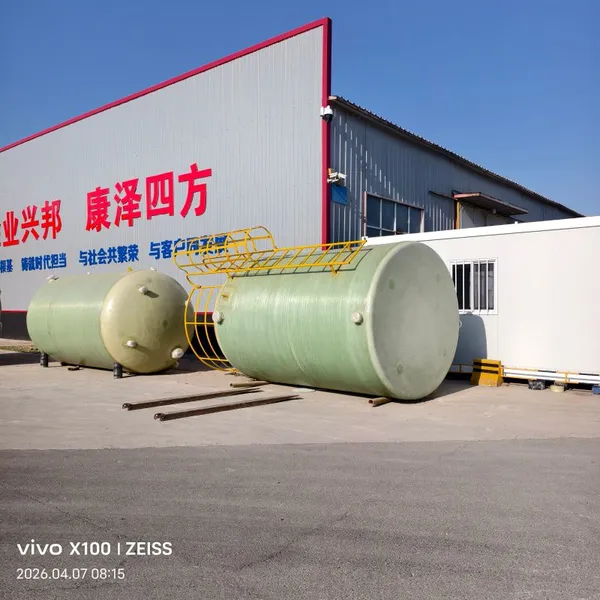
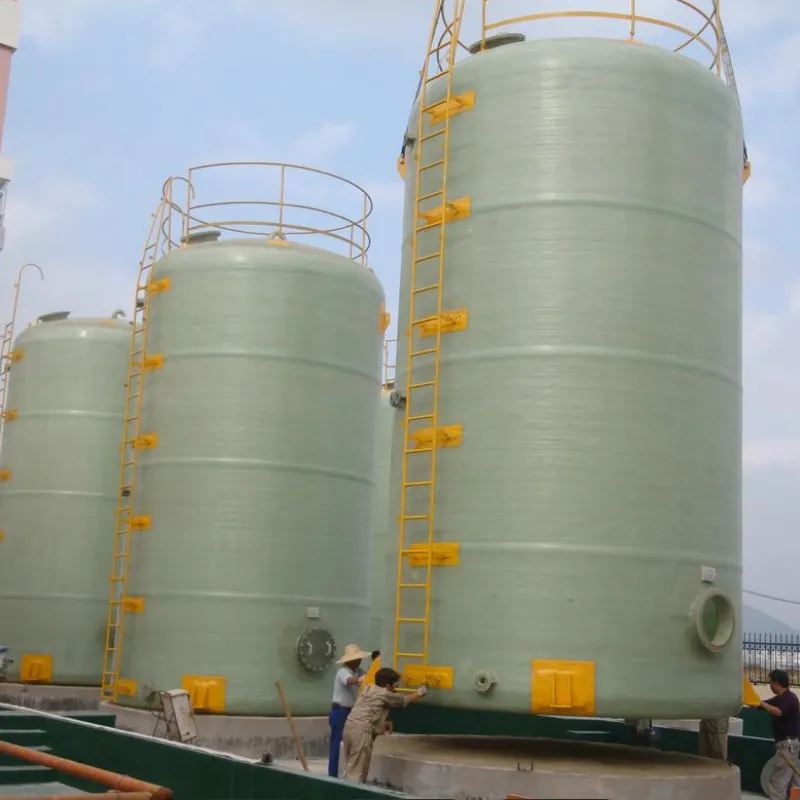
FRP tanks can be classified into vertical and horizontal types based on installation method. Vertical tanks are commonly used for hydrochloric acid storage due to their convenient layout and discharge.
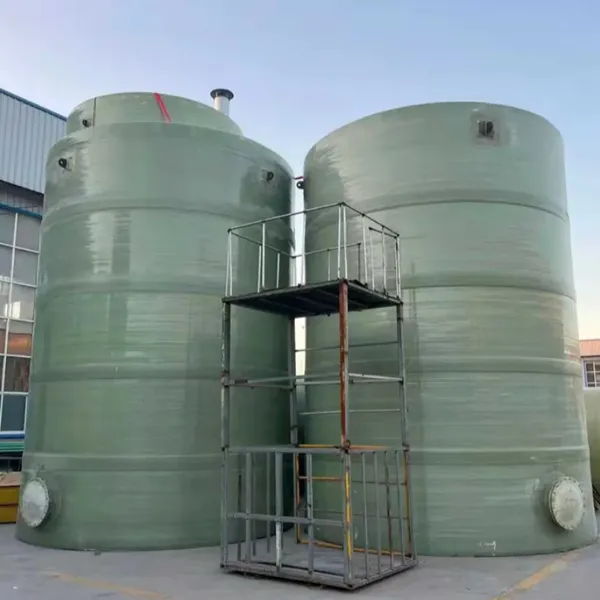
Vertical tanks: These have a small footprint and are suitable for chemical plant layouts. Common volume ranges from 10 cubic meters to 100 cubic meters, with accessories such as breather valves and manholes available on the tank top.
Specification parameters: A 10m³ tank typically has a diameter of about 2 meters and a height of about 3.5 meters; a 20m³ tank has a diameter of about 2.5 meters and a height of about 4.5 meters; a 100m³ tank has a diameter of about 4 meters and a height of about 8 meters. The design pressure is generally atmospheric or slight positive pressure.
Connection configuration: Inlet and outlet nozzles, liquid level gauge nozzles, and drain nozzles are connected using corrosion-resistant flanges to ensure overall anti-corrosion performance.
1. Application Areas
![G}OQIHS{]7_YDH_OG)0B[]S_131625_163801](https://img13.fr-trading.com/0/1_360_120098_830_800.jpg.webp?t=1773825253)
FRP hydrochloric acid tanks are widely used in the following industries:
Chemical raw material production: Storage of hydrochloric acid intermediates or products in chlor-alkali, pesticide, and dye industries.
Water treatment: Used for pH adjustment, storing hydrochloric acid as a regenerant for ion exchange resins.
Electroplating and metal surface treatment: Storage of hydrochloric acid for pickling.
Metallurgy and mining: Storage of leaching acid in hydrometallurgical processes.
1. Comprehensive Benefit Analysis
The initial investment for FRP hydrochloric acid tanks is lower than that for stainless steel or rubber-lined steel tanks, with a service life of over 15 years. As regular anti-corrosion layer maintenance is eliminated, the life cycle cost advantage is significant. FRP material offers strong design flexibility, allowing customization of different volumes (10m³, 20m³, 100m³) and structural types (vertical, horizontal) according to user requirements.
In the field of strong corrosive media storage such as hydrochloric acid, FRP tanks have become an ideal choice for chemical enterprises due to their reliable corrosion resistance, light weight, high strength, and design flexibility.
Recently Posted
-
Solve Secondary Pollution: Advantages of Nitrogen-Sealed Water Storage Tanks
August 22, 2026In industrial production, pure water preparation, HVAC water supply, precision manufacturing and other fields, water quality maint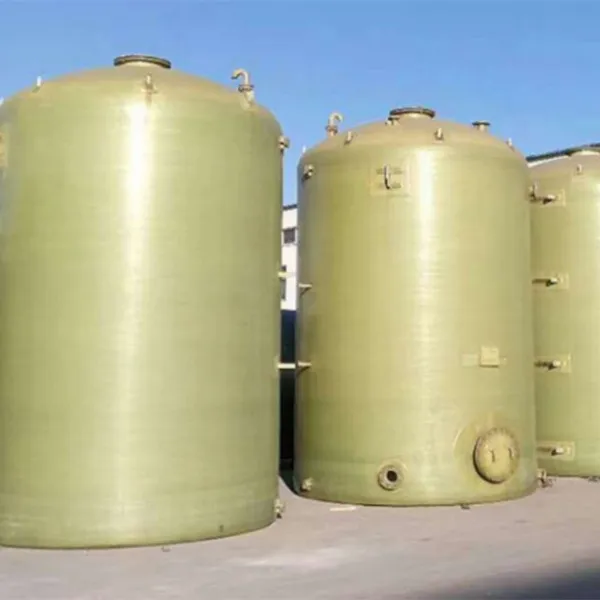 Read More
 -
Which Industrial Projects Are FRP Mixing Tanks Suitable For? Applications and Selection Guide
August 22, 2026With the development of chemical processing, water treatment, environmental protection and industrial manufacturing, mixing equipm Read More
 -
SMC Water Tanks for International Projects: Performance, Structure and Selection Guide
August 22, 2026As residential, commercial, hotel, school, hospital, industrial and infrastructure projects continue to grow worldwide, water stor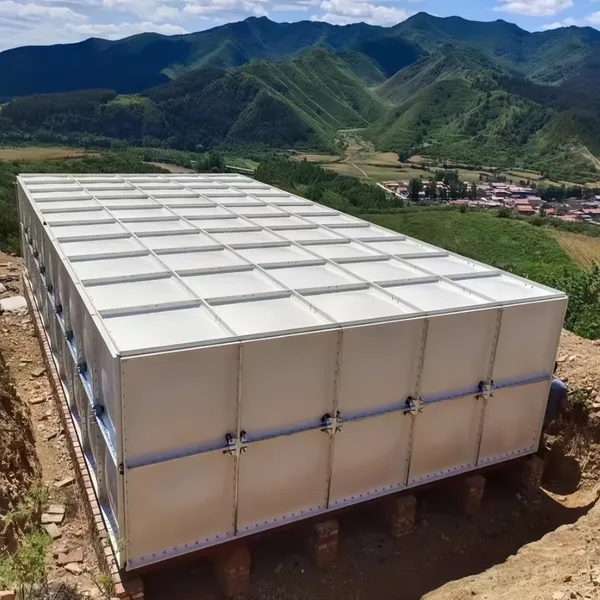 Read More
 -
What Are GRP Pipe Fittings? A Guide to Elbows, Tees, Flanges and Connections
August 22, 2026A GRP piping system consists of more than straight pipes. Different fittings are required to change direction, divide flow, reduce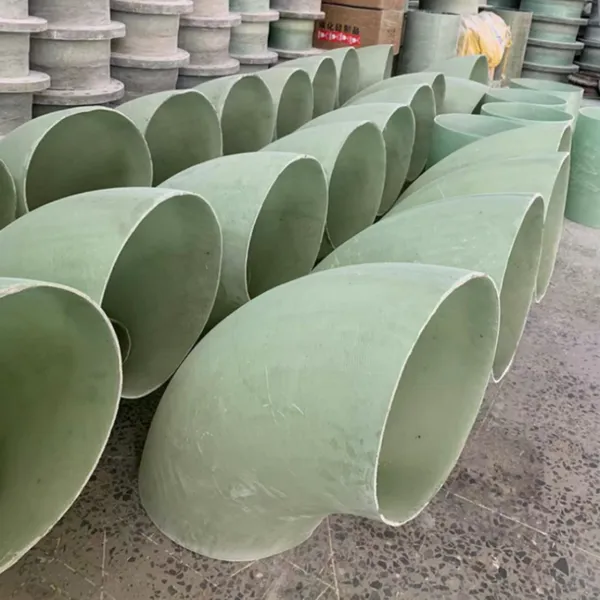 Read More

Contact Us
Recommended Products
-
 Large Vertical FRP Mixing Tank, 0.5-100 Cubic Meter Full Size CustomizedUS$ 1099 - 1100MOQ: 10 Cubic Meters
 -
GRP Integrated Lifting Pump Station Sewage Rainwater Collection Factory DirectUS$ 6800 - 7000MOQ: 1 Combo
-
Large Diameter DN2800 FRP-GRP Continuous Winding Mortar PipeUS$ 48 - 50MOQ: 10 Meters
-
FRP / GRP Ventilation Duct for Industrial Exhaust SystemsUS$ 47 - 50MOQ: 10 Meters
-
Corrosion Resistant GRP Piping System for Seawater Desalination PlantsUS$ 190 - 200MOQ: 1 Meter
-
Glass Fiber Reinforced Plastic (GFRP) Pipeline Design for Hydropower Siphon SystemsUS$ 95 - 100MOQ: 1 Meter
-
GRP/FRP Fiberglass Pressure Pipelines for Hydropower Stations: Comprehensive GuideUS$ 95 - 100MOQ: 1 Meter
-
Outdoor Large Fiberglass GRP Water Tank Modular Assembled Potable Water TankUS$ 50 - 51MOQ: 1 Cubic Meter
-
SMC Modular GRP Water Tank Food Grade Fiberglass Drinking Water Storage TankUS$ 58 - 60MOQ: 1 Cubic Meter
-
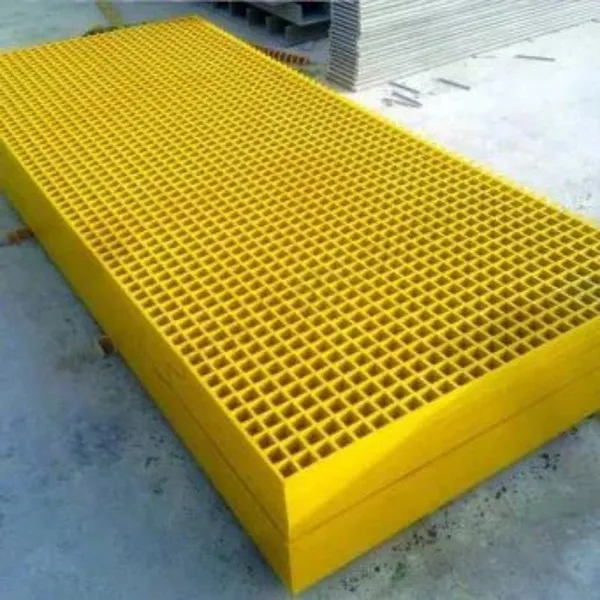
High Strength FRP GRP Grating & Cover | Anti-Corrosion | Custom Thickness/Color | OEM | Global DeliveryUS$ 18 - 19MOQ: 1 Unit
-
GRP Borehole Pipes | 50m-200m Depth Capacity | High-Strength for Water ExtractionUS$ 70 - 80MOQ: 10 Meters
-
GRP Ventilation Ducts | ISO 9001 Certified | Fire-Retardant for Industrial FacilitiesUS$ 70 - 80MOQ: 10 Meters
-
SMC Bolted Panel Tank | 10,000 Gallon | Industrial-Grade Corrosion ProtectionUS$ 68 - 70MOQ: 1 Cubic Meter
-
Export-Grade FRP Drinking Water Tank 10,000m³ Food-Grade Storage Free Design DrawingUS$ 48 - 50MOQ: 1 Cubic Meter
-
Export-Type FRP Neutralization Tank With Mixer Agitator Super Corrosion Resistance Essential for Chemical PlantsUS$ 1099 - 1100MOQ: 10 Cubic Meters
-
Export FRP Hydrochloric Acid Tank Acid-Alkali Resistant Chemical Vessel 1-100m³ With Level GaugeUS$ 850 - 900MOQ: 10 Cubic Meters
-
High Strength Fiberglass Sand Filled Pipe DN300-DN4000 FRP Pressure Pipe for Municipal Water Supply and DrainageUS$ 70 - 80MOQ: 10 Meters
-
FRP Drain Grate Heavy Duty For Industrial Floor Custom Color & Thickness Global Fast ShipmentUS$ 19 - 20MOQ: 1 Unit
-
FRP Grating Corrosion Resistant For Industrial Platform Support Custom Thickness & Color Export WorldwideUS$ 18 - 20MOQ: 10 Units
-
GRP Pipe Corrosion Resistant High Stiffness Export to Worldwide Support CustomizationUS$ 70 - 80MOQ: 10 Meters