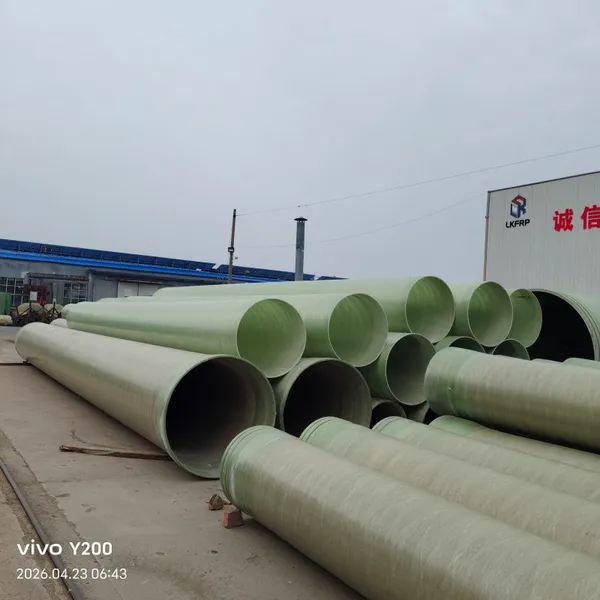
 Business License

What Are GRP Pipe Fittings? A Guide to Elbows, Tees, Flanges and Connections
A GRP piping system consists of more than straight pipes. Different fittings are required to change direction, divide flow, reduce pipe diameter and connect pipes with pumps, valves and other equipment.
For water treatment, wastewater treatment, desalination, chemical, power and industrial projects, properly selected GRP pipe fittings are an important part of a reliable piping system.
GRP (Glass Reinforced Plastic) fittings are manufactured using glass fiber and resin. They offer corrosion resistance, lightweight construction, strength and flexible customization according to project requirements.
1. What Are GRP Pipe Fittings?
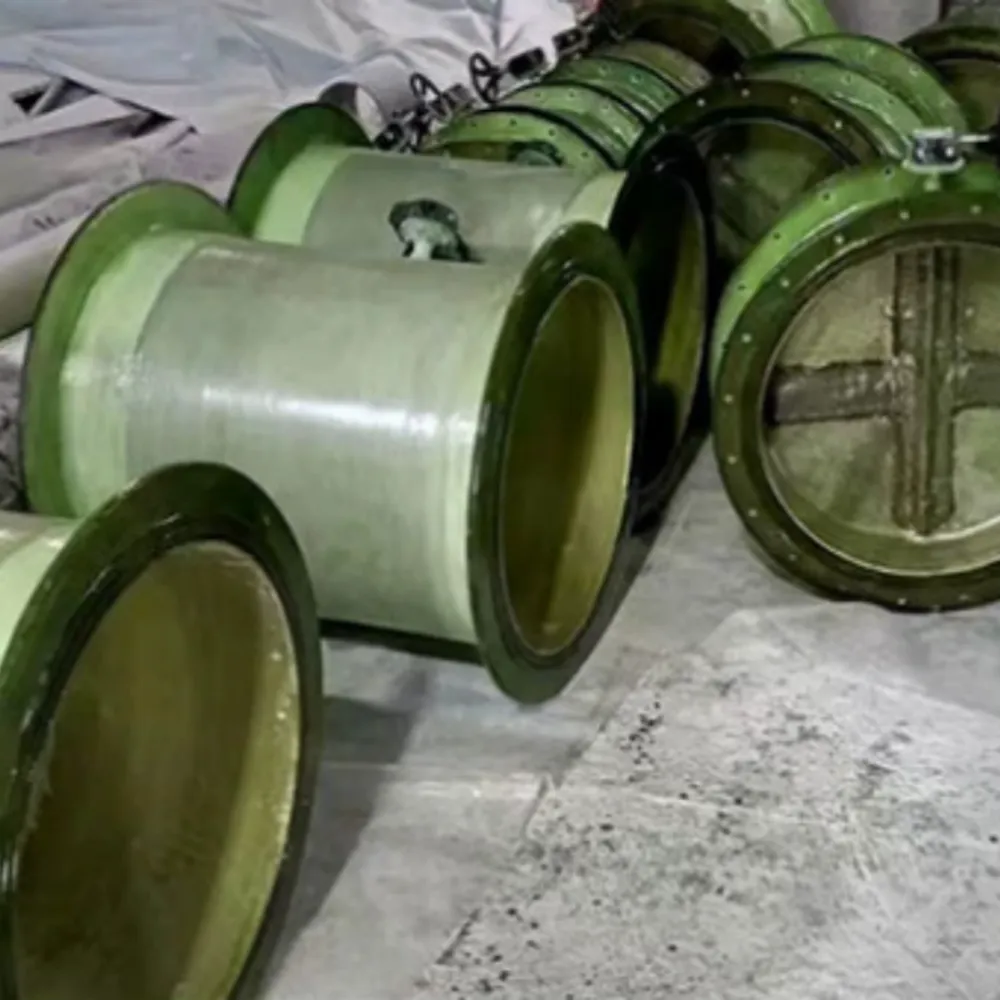
GRP Pipe Fittings are components used to connect and control the layout of a GRP piping system.
Similar to conventional metal fittings, GRP fittings are used for changing direction, branching, reducing pipe diameter and connecting different sections of a pipeline.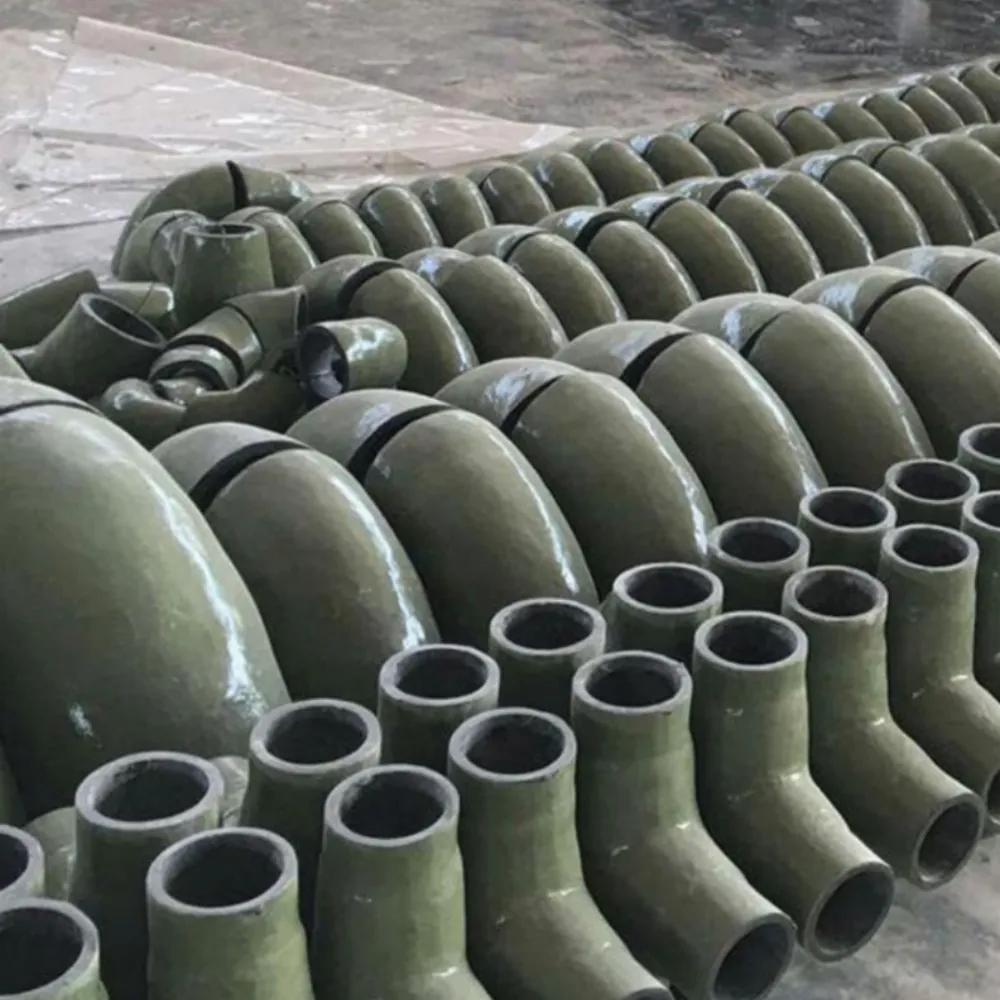
Common GRP fittings include:
GRP Elbows
GRP Tees
GRP Reducers
GRP Flanges
GRP Couplings
GRP Pipe Connectors
Customized GRP Fittings
Fittings can be manufactured according to pipe diameter, pressure rating, connection method and installation requirements.
2. What Is a GRP Elbow?
A GRP Elbow is used to change the direction of a pipeline.
Common angles include 45° and 90°, while custom angles can also be manufactured according to engineering drawings.
GRP elbows can be used together with GRP pipes in wastewater treatment, water treatment, chemical and industrial piping systems.
For corrosive applications, the appropriate resin system and liner structure should be selected according to the transported medium.
3. What Is a GRP Tee?
A GRP Tee is used to divide or combine flow within a piping system.
Common types include equal tees and reducing tees.
For example, when a branch pipe needs to be connected to a main pipeline, a GRP tee can be used to create the required branch connection.
The dimensions and pressure rating should be selected according to the main pipe and branch pipe specifications.
4. What Is a GRP Reducer?
A GRP Reducer connects pipes with different diameters.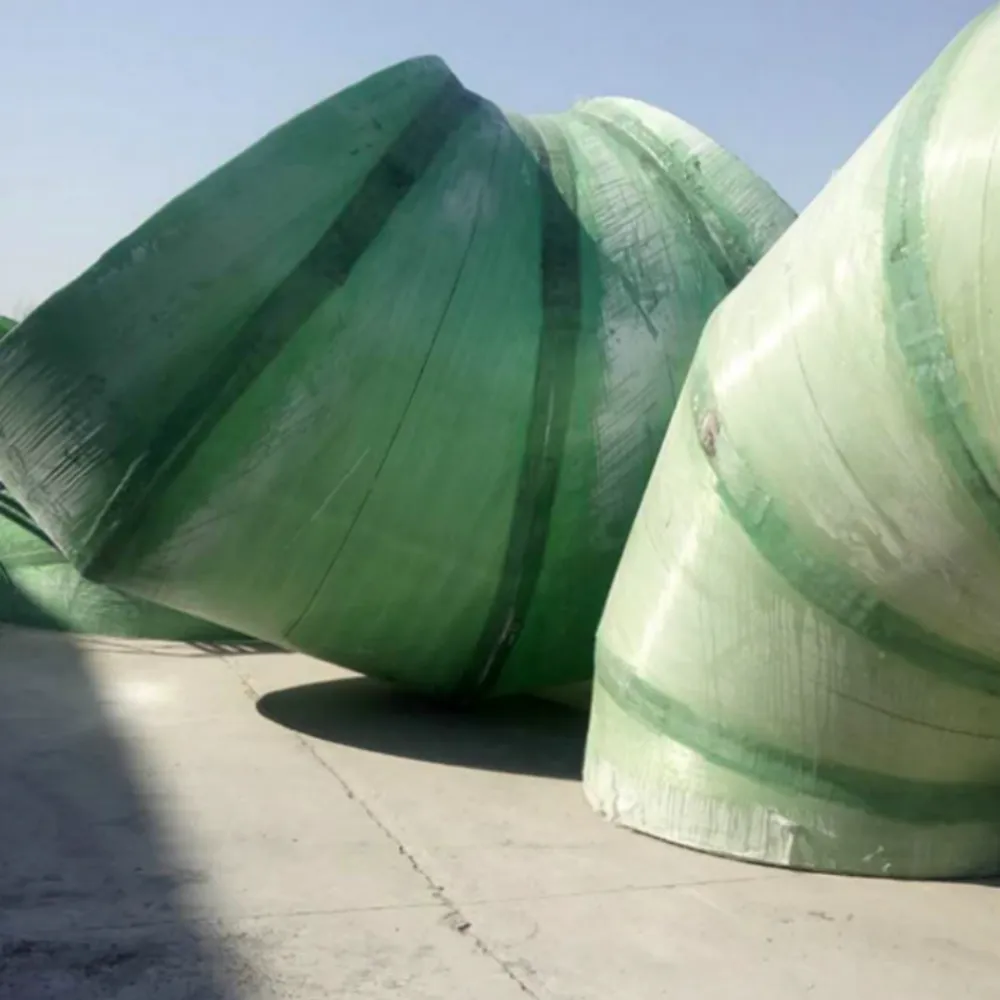
Concentric and eccentric reducers can be selected according to the piping layout and engineering requirements.
The reducer size should be determined according to flow rate, pipe diameter and installation conditions.
5. What Is a GRP Flange?
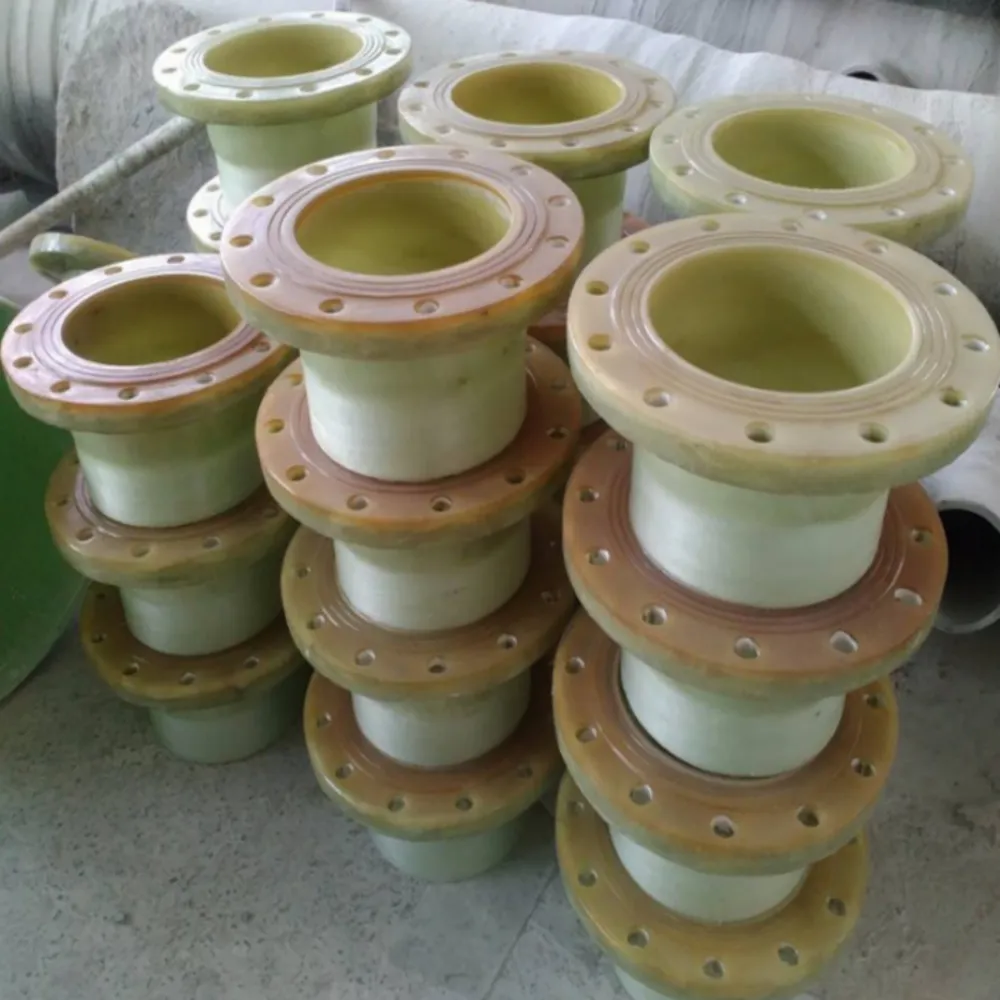
A GRP Flange is commonly used to create a detachable connection between pipes, valves, pumps, equipment and other components.
Flanged connections are convenient for installation, maintenance and future removal.
They are particularly useful in projects where equipment may need to be inspected, repaired or replaced.
6. Why Are GRP Fittings Suitable for International Projects?
Corrosion Resistance
GRP fittings provide good corrosion resistance and can be used in wastewater, seawater, industrial water and selected chemical applications.
Lightweight Construction
GRP fittings are relatively lightweight compared with many traditional metal fittings, making transportation and installation easier.
Customization
GRP fittings can be manufactured according to customer drawings, pipe diameter, pressure requirements and installation conditions.
System Compatibility
GRP fittings can be supplied together with GRP Pipes to create a complete GRP Piping System.
7. How to Select GRP Pipe Fittings?
For international engineering projects, buyers should provide sufficient technical information when requesting a quotation.
Important information includes:
Pipe diameter
Working pressure
Transported medium
Operating temperature
Fitting angle
Connection method
Installation method
Required quantity
Engineering drawings or technical specifications
Any project-specific standards should also be provided before production.
8. GRP Pipes and Fittings Should Be Considered as One System
A complete GRP piping system should not be evaluated only by the price of straight pipes.
GRP pipes, elbows, tees, reducers, flanges and connectors should be properly matched according to pressure, medium, temperature and installation conditions.
For international projects, it can be more efficient to work with a professional GRP manufacturer that can supply both GRP Pipes and GRP Pipe Fittings. This simplifies technical communication, product matching and project procurement.
Conclusion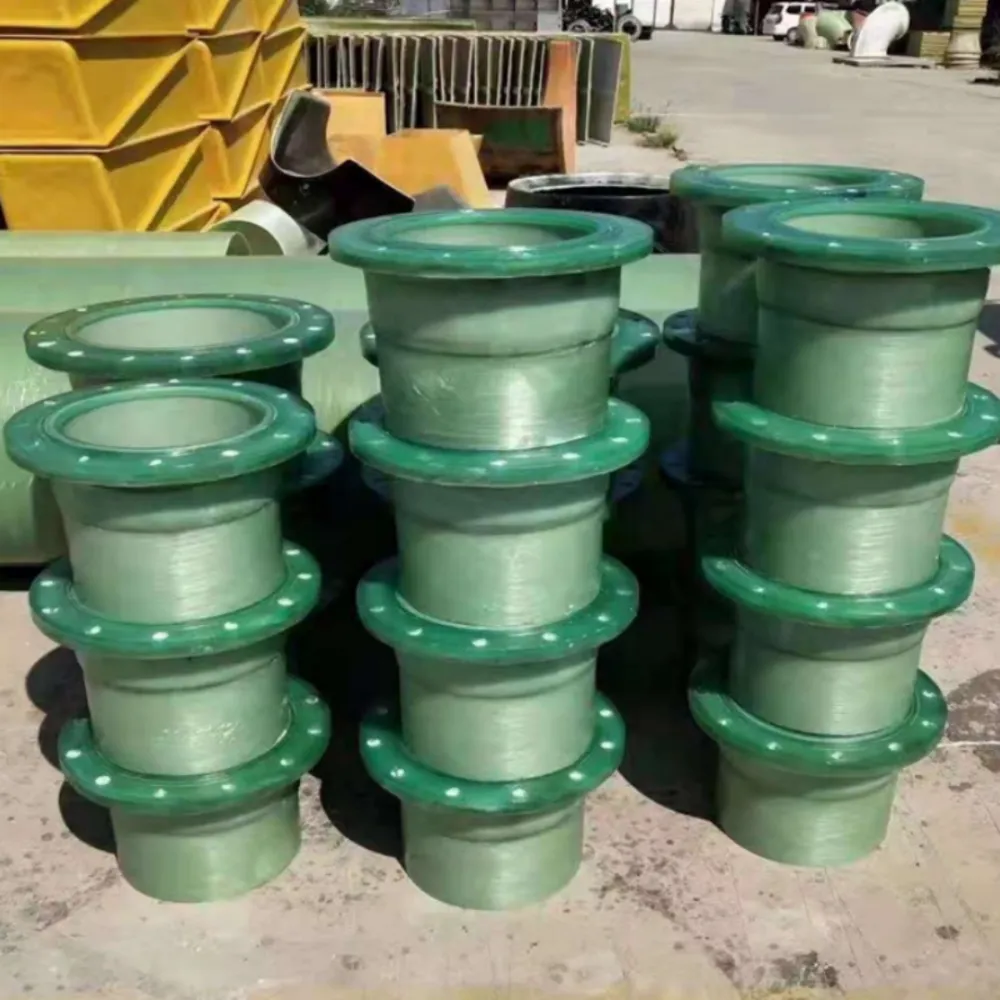
GRP pipe fittings are essential components of GRP piping systems. They are used for changing direction, branching, reducing pipe diameter and connecting pipes with equipment.
With corrosion resistance, lightweight construction, strength and customization capabilities, GRP fittings can be used in water treatment, wastewater treatment, desalination, chemical, power and industrial water projects.
If you are looking for GRP Pipes, GRP Pipe Fittings or a complete GRP Piping System, provide your project drawings, pipe diameter, pressure, transported medium and installation requirements.
We can provide customized GRP pipes and fittings according to your project specifications.
Recently Posted
-
Solve Secondary Pollution: Advantages of Nitrogen-Sealed Water Storage Tanks
August 22, 2026In industrial production, pure water preparation, HVAC water supply, precision manufacturing and other fields, water quality maint Read More
 -
Which Industrial Projects Are FRP Mixing Tanks Suitable For? Applications and Selection Guide
August 22, 2026With the development of chemical processing, water treatment, environmental protection and industrial manufacturing, mixing equipm Read More
 -
SMC Water Tanks for International Projects: Performance, Structure and Selection Guide
August 22, 2026As residential, commercial, hotel, school, hospital, industrial and infrastructure projects continue to grow worldwide, water stor Read More
 -
Why Are GRP Pipes Popular in Global Engineering Projects? Applications and Buying Guide
August 22, 2026As global water treatment, wastewater treatment, desalination, chemical, power and industrial infrastructure projects continue to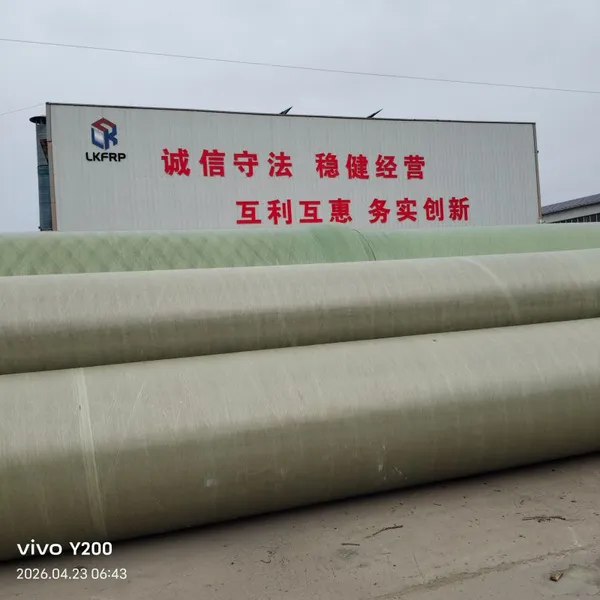 Read More

Contact Us
Recommended Products
-
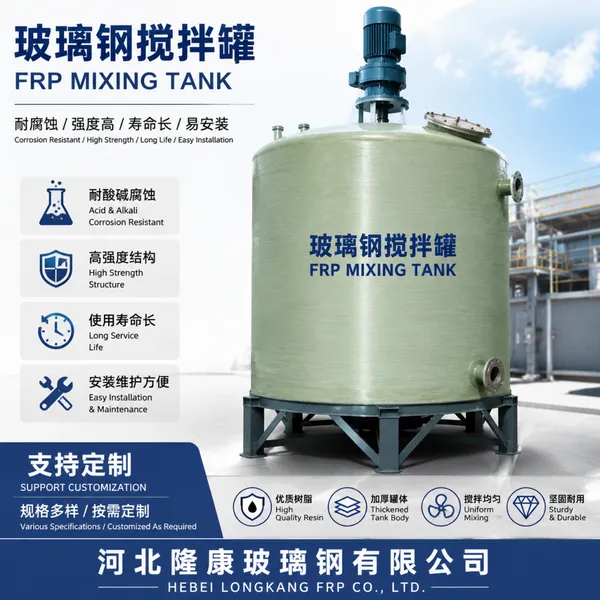
 Large Vertical FRP Mixing Tank, 0.5-100 Cubic Meter Full Size CustomizedUS$ 1099 - 1100MOQ: 10 Cubic Meters
 -
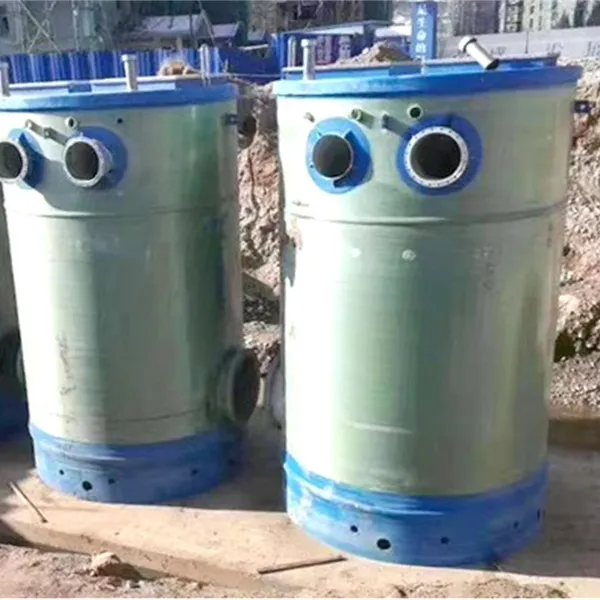
GRP Integrated Lifting Pump Station Sewage Rainwater Collection Factory DirectUS$ 6800 - 7000MOQ: 1 Combo
-
Large Diameter DN2800 FRP-GRP Continuous Winding Mortar PipeUS$ 48 - 50MOQ: 10 Meters
-
FRP / GRP Ventilation Duct for Industrial Exhaust SystemsUS$ 47 - 50MOQ: 10 Meters
-
Corrosion Resistant GRP Piping System for Seawater Desalination PlantsUS$ 190 - 200MOQ: 1 Meter
-
Glass Fiber Reinforced Plastic (GFRP) Pipeline Design for Hydropower Siphon SystemsUS$ 95 - 100MOQ: 1 Meter
-
GRP/FRP Fiberglass Pressure Pipelines for Hydropower Stations: Comprehensive GuideUS$ 95 - 100MOQ: 1 Meter
-
Outdoor Large Fiberglass GRP Water Tank Modular Assembled Potable Water TankUS$ 50 - 51MOQ: 1 Cubic Meter
-
SMC Modular GRP Water Tank Food Grade Fiberglass Drinking Water Storage TankUS$ 58 - 60MOQ: 1 Cubic Meter
-
High Strength FRP GRP Grating & Cover | Anti-Corrosion | Custom Thickness/Color | OEM | Global DeliveryUS$ 18 - 19MOQ: 1 Unit
-
GRP Borehole Pipes | 50m-200m Depth Capacity | High-Strength for Water ExtractionUS$ 70 - 80MOQ: 10 Meters
-
GRP Ventilation Ducts | ISO 9001 Certified | Fire-Retardant for Industrial FacilitiesUS$ 70 - 80MOQ: 10 Meters
-
SMC Bolted Panel Tank | 10,000 Gallon | Industrial-Grade Corrosion ProtectionUS$ 68 - 70MOQ: 1 Cubic Meter
-
Export-Grade FRP Drinking Water Tank 10,000m³ Food-Grade Storage Free Design DrawingUS$ 48 - 50MOQ: 1 Cubic Meter
-
Export-Type FRP Neutralization Tank With Mixer Agitator Super Corrosion Resistance Essential for Chemical PlantsUS$ 1099 - 1100MOQ: 10 Cubic Meters
-
Export FRP Hydrochloric Acid Tank Acid-Alkali Resistant Chemical Vessel 1-100m³ With Level GaugeUS$ 850 - 900MOQ: 10 Cubic Meters
-
High Strength Fiberglass Sand Filled Pipe DN300-DN4000 FRP Pressure Pipe for Municipal Water Supply and DrainageUS$ 70 - 80MOQ: 10 Meters
-
FRP Drain Grate Heavy Duty For Industrial Floor Custom Color & Thickness Global Fast ShipmentUS$ 19 - 20MOQ: 1 Unit
-
FRP Grating Corrosion Resistant For Industrial Platform Support Custom Thickness & Color Export WorldwideUS$ 18 - 20MOQ: 10 Units
-
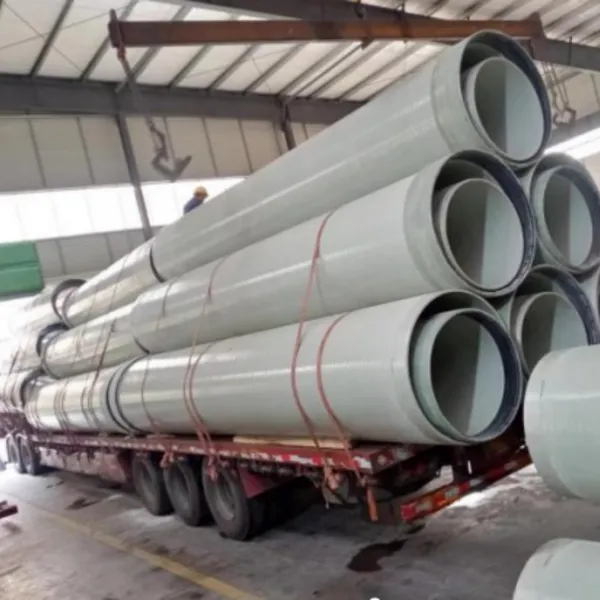
GRP Pipe Corrosion Resistant High Stiffness Export to Worldwide Support CustomizationUS$ 70 - 80MOQ: 10 Meters