 Business License

Why Are GRP Pipes Popular in Global Engineering Projects? Applications and Buying Guide
As global water treatment, wastewater treatment, desalination, chemical, power and industrial infrastructure projects continue to develop, piping systems are facing increasing requirements for corrosion resistance, service life, installation efficiency and maintenance costs.
GRP (Glass Reinforced Plastic) pipes are becoming increasingly popular in international engineering projects because of their corrosion resistance, lightweight construction, strength and low maintenance requirements.
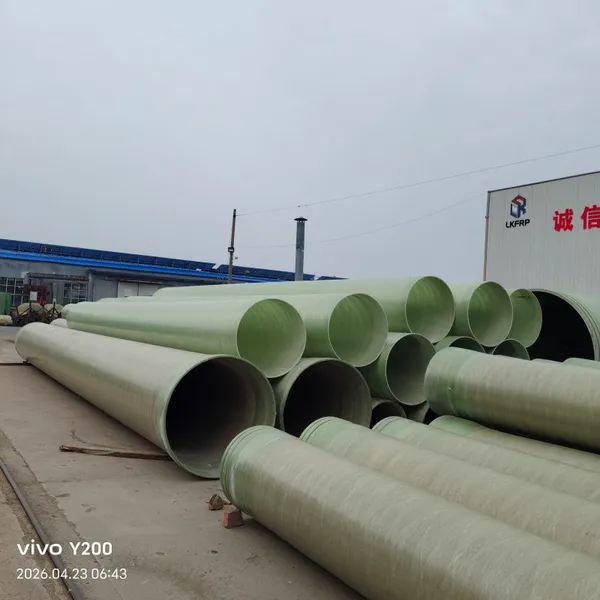
1. What Is a GRP Pipe?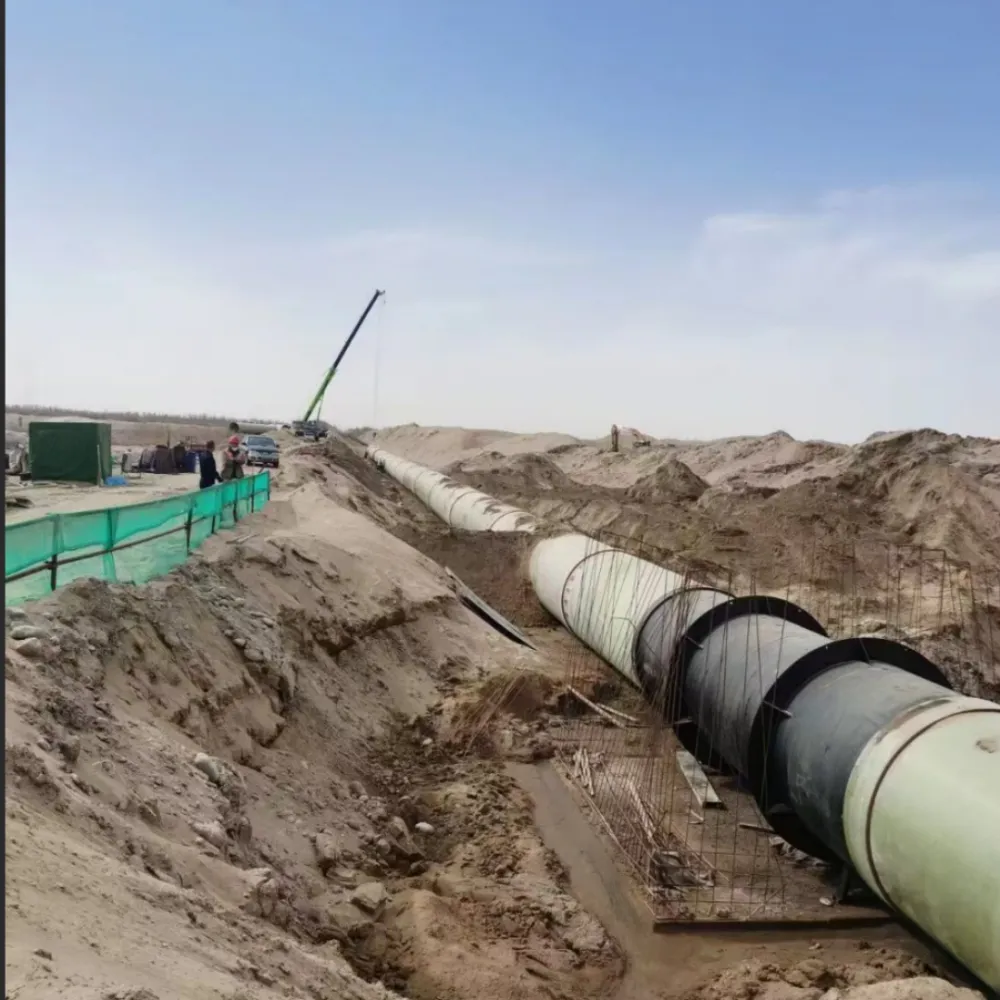
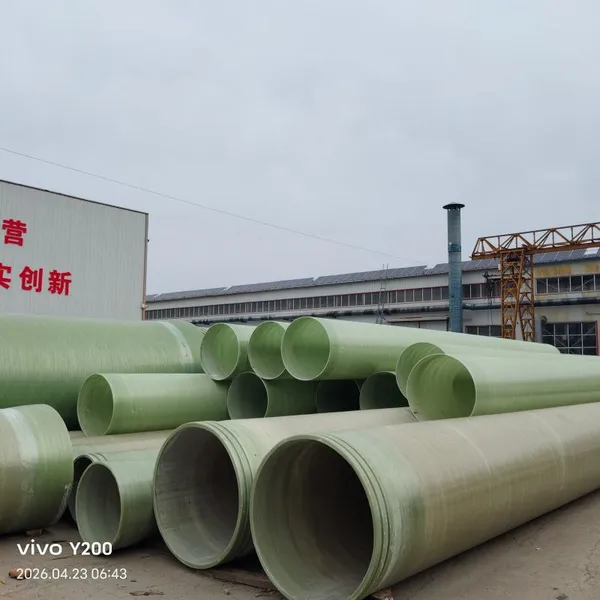
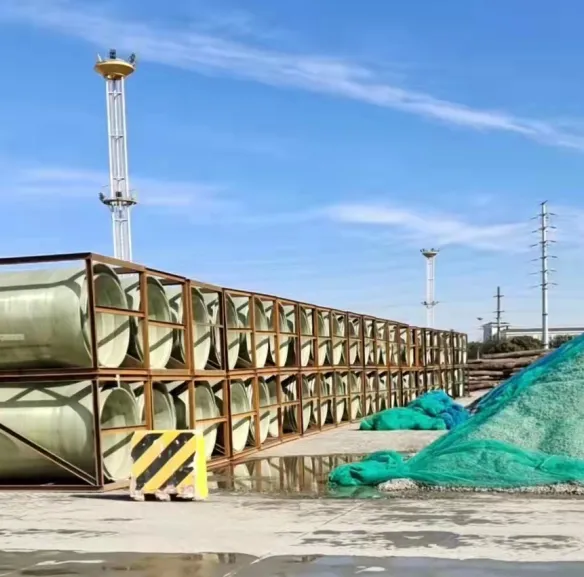
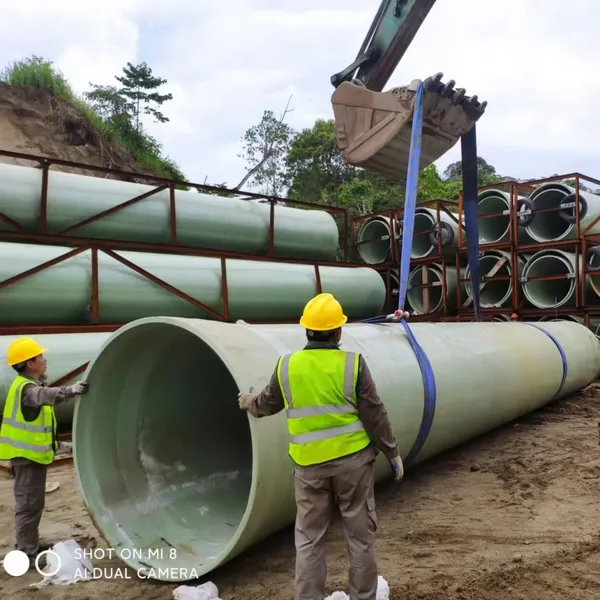
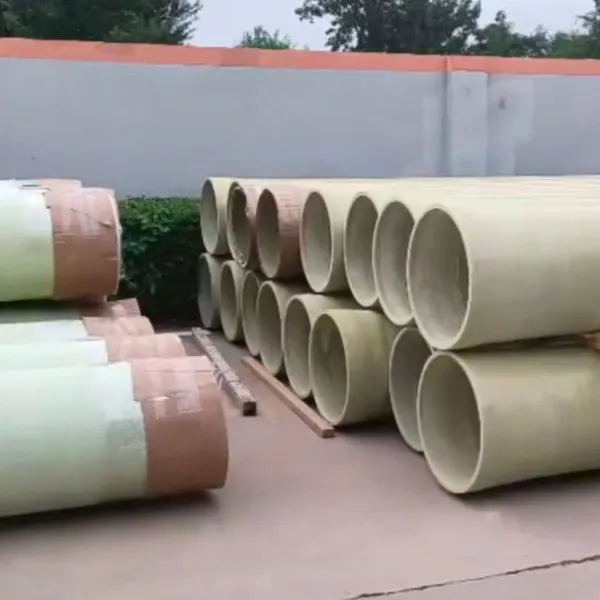
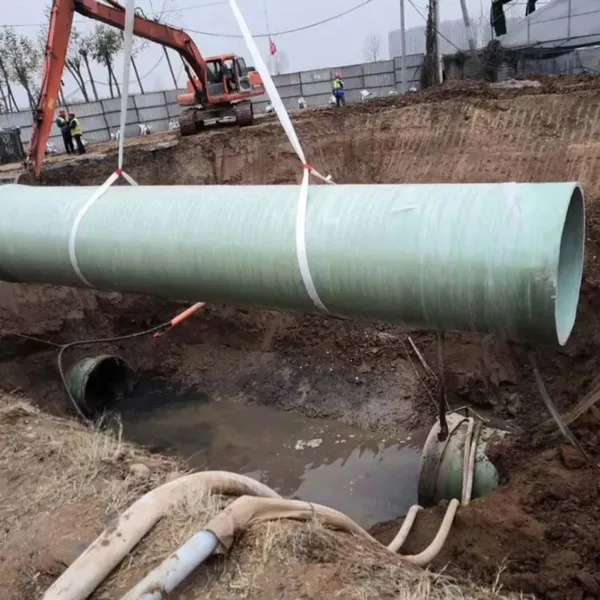
GRP stands for Glass Reinforced Plastic. GRP pipes are composite pipes manufactured mainly from glass fiber reinforcement and resin.
The glass fiber provides structural strength, while the resin system provides corrosion resistance according to the transported medium and operating environment.
GRP pipes can be customized according to different project requirements, including pipe diameter, pressure rating, stiffness class, wall thickness, resin system and connection method.
In international markets, terms such as GRP Pipe, GRP Piping, FRP Pipe and Fiberglass Pipe are commonly used. GRP Pipe is particularly common in water treatment, desalination and industrial engineering projects.
2. Why Are GRP Pipes Popular in Overseas Projects?
Excellent Corrosion Resistance
Wastewater, seawater, chemical media and humid environments can cause serious corrosion problems for traditional metal pipes.
GRP pipes are manufactured from glass fiber reinforced composite materials and do not suffer from conventional steel corrosion. This makes them suitable for wastewater treatment, desalination, chemical processing and industrial water applications.
Lightweight and Easy to Install
GRP pipes are relatively lightweight compared with many traditional metal pipes.
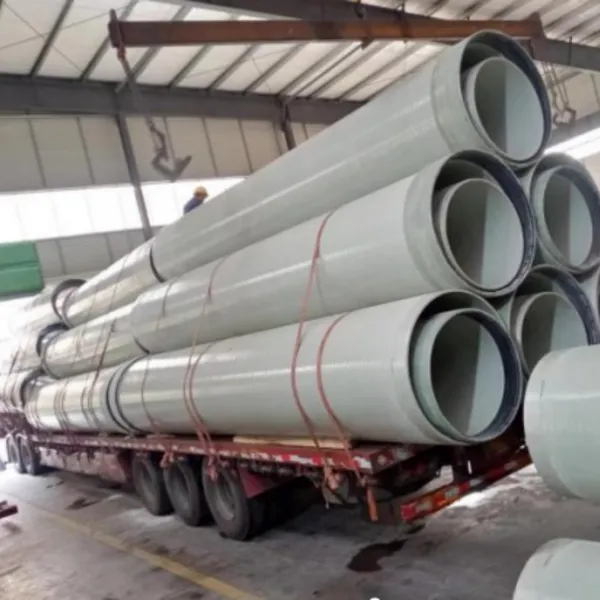
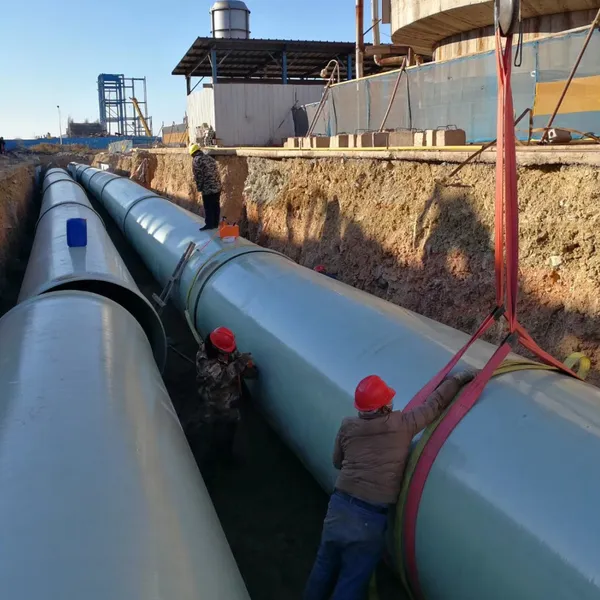
Their lightweight construction can make transportation, handling and installation easier, particularly for large-diameter piping projects.
Low Maintenance Requirements
GRP pipes do not have the conventional rusting problems associated with carbon steel pipes.
With proper material selection, design and installation, GRP piping can reduce long-term corrosion-related maintenance requirements.
Flexible Customization
Different projects require different pressure ratings, temperatures, media and installation conditions.
GRP pipes can be customized according to project requirements, including diameter, wall thickness, pressure class, stiffness class, resin system and connection method.
3. Where Are GRP Pipes Used?
Water Treatment
GRP pipes can be used for raw water, treated water, industrial water and other water treatment applications.
Wastewater Treatment
GRP piping is suitable for municipal wastewater, industrial wastewater, wastewater treatment plants and water reuse systems.
Desalination
Because seawater contains high levels of salt and can be highly corrosive to conventional metals, GRP pipes can be used for seawater intake, transportation and discharge systems.
Chemical Industry
GRP pipes can be used for certain acids, alkalis, salts and other corrosive industrial media. The appropriate resin system should be selected according to the chemical composition, concentration and operating temperature.
Power Plants
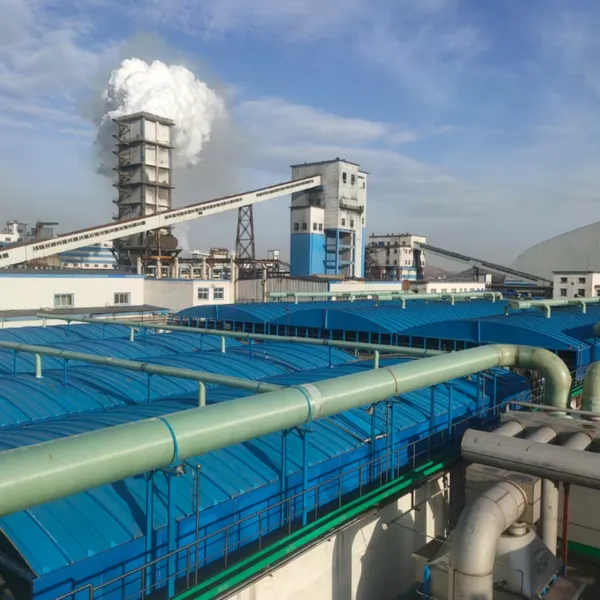
GRP piping can be used for circulating water, cooling water, raw water and selected auxiliary piping systems in power plants.
Irrigation and Industrial Water
GRP pipes can also be used in agricultural irrigation, large-scale water transmission and industrial circulating water systems.
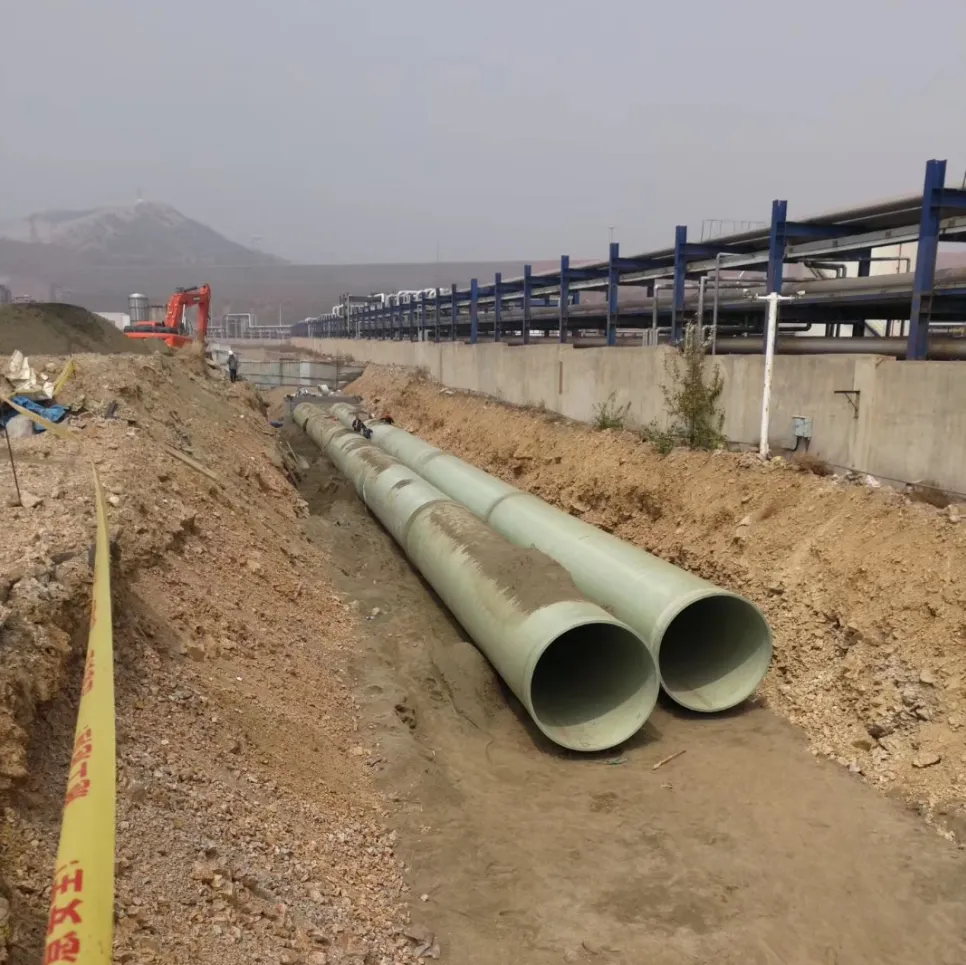
4. How to Choose the Right GRP Pipe?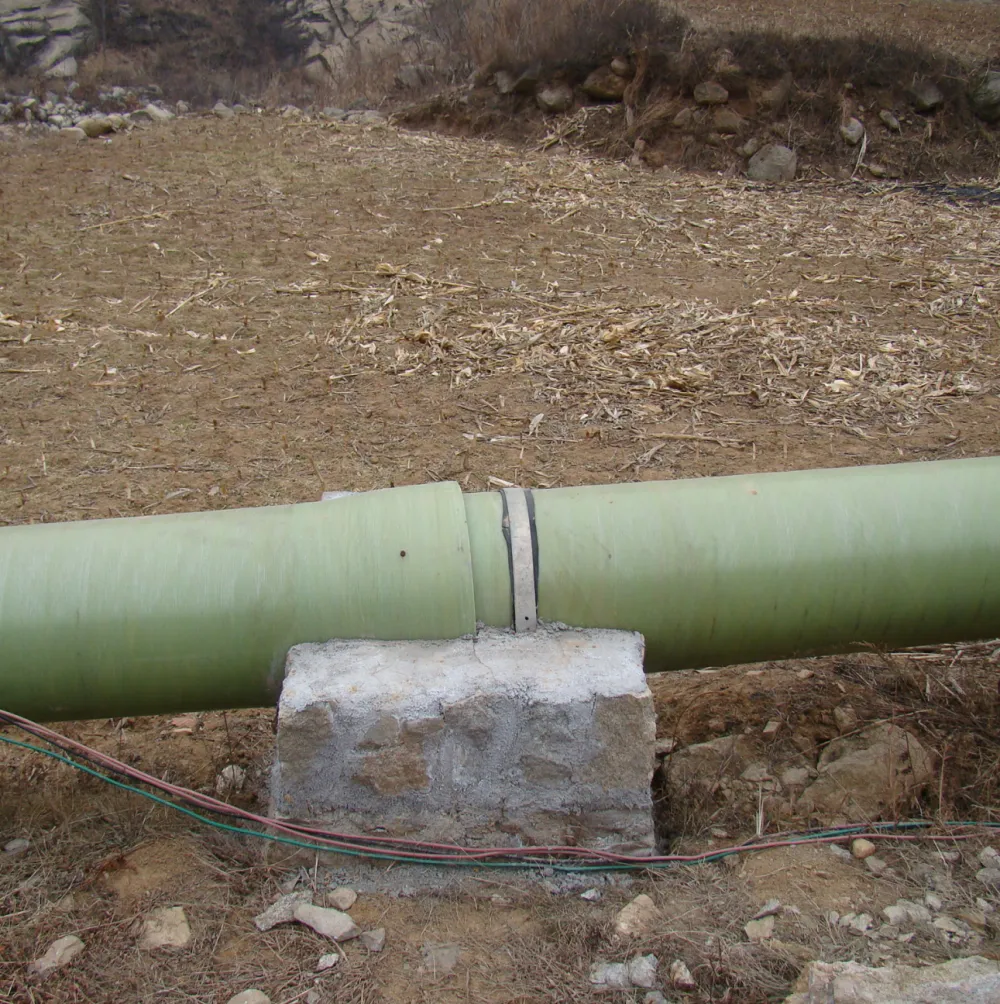
When purchasing GRP pipes for an international project, buyers should provide complete technical information rather than only pipe diameter and quantity.
Important parameters include:
Nominal pipe diameter
Design and working pressure
Transported medium
Operating temperature
Installation method
Underground or above-ground installation
Connection method
Stiffness class
Resin system
Project standards
Required quantity and pipe length
If engineering drawings, technical specifications or project standards are available, buyers should provide them together with the inquiry.
5. GRP Pipes and Fittings
A complete GRP piping system normally includes more than straight pipes.
Common GRP components include:
GRP Elbows
GRP Tees
GRP Reducers
GRP Flanges
GRP Couplings
GRP Pipe Connectors
Customized GRP Fittings
Pipes and fittings should ideally be designed and manufactured according to the same project specifications to ensure proper installation and system compatibility.
6. What Should Overseas Buyers Consider?
When choosing a GRP Pipe Manufacturer, international buyers should consider more than the product price.
Important factors include material selection, manufacturing technology, product quality, customization capability and technical support.
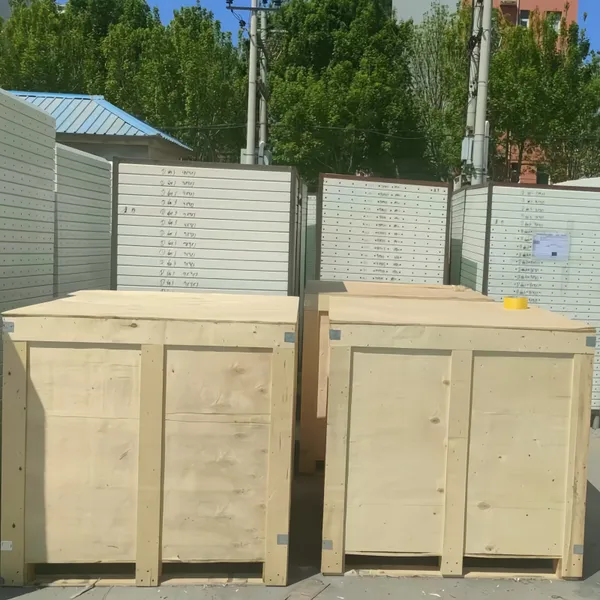
For engineering projects, it is also important to work with a manufacturer that can manufacture products according to customer drawings and technical specifications and provide suitable export packaging and technical documentation.
Conclusion
GRP pipes offer excellent corrosion resistance, lightweight construction, low maintenance requirements and flexible customization.
They are widely used in water treatment, wastewater treatment, desalination, chemical processing, power generation, irrigation and industrial water projects.
For international engineering projects, buyers should consider pipe diameter, pressure, medium, temperature, stiffness, resin system, connection method and installation conditions rather than comparing price alone.
If you are looking for a GRP pipe manufacturer, GRP pipe supplier or complete GRP piping system, please provide your project drawings, technical specifications and application requirements.
We can provide customized GRP pipes, GRP fittings and piping solutions for international water treatment, wastewater, desalination, chemical and industrial projects.
Recently Posted
-
Solve Secondary Pollution: Advantages of Nitrogen-Sealed Water Storage Tanks
August 22, 2026In industrial production, pure water preparation, HVAC water supply, precision manufacturing and other fields, water quality maint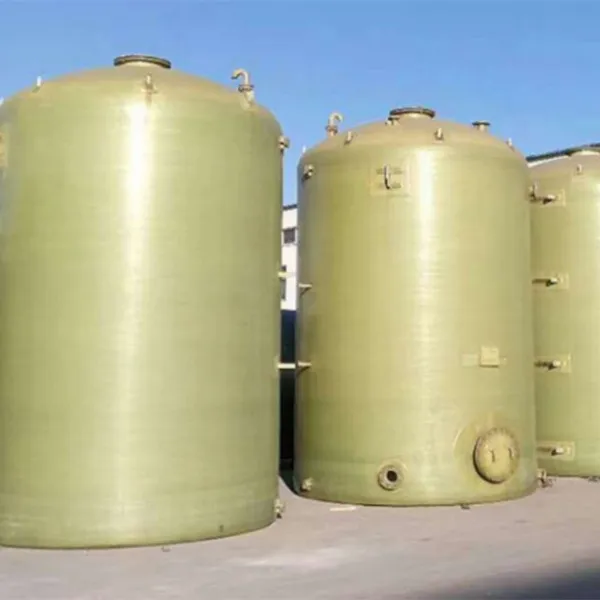 Read More
 -
Which Industrial Projects Are FRP Mixing Tanks Suitable For? Applications and Selection Guide
August 22, 2026With the development of chemical processing, water treatment, environmental protection and industrial manufacturing, mixing equipm Read More
 -
SMC Water Tanks for International Projects: Performance, Structure and Selection Guide
August 22, 2026As residential, commercial, hotel, school, hospital, industrial and infrastructure projects continue to grow worldwide, water stor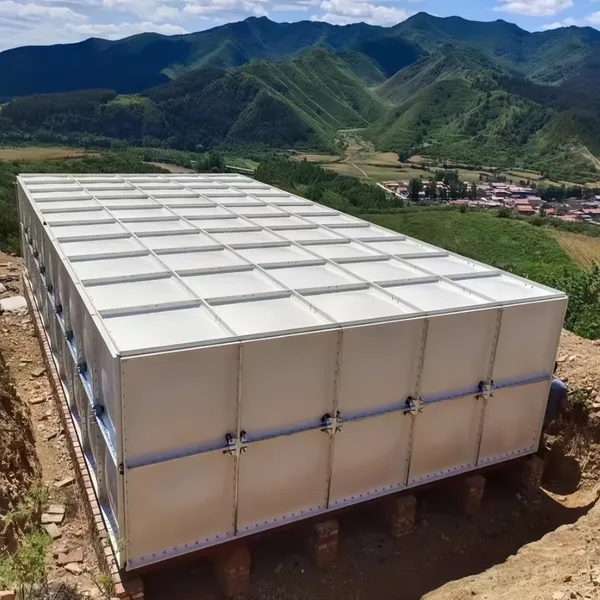 Read More
 -
What Are GRP Pipe Fittings? A Guide to Elbows, Tees, Flanges and Connections
August 22, 2026A GRP piping system consists of more than straight pipes. Different fittings are required to change direction, divide flow, reduce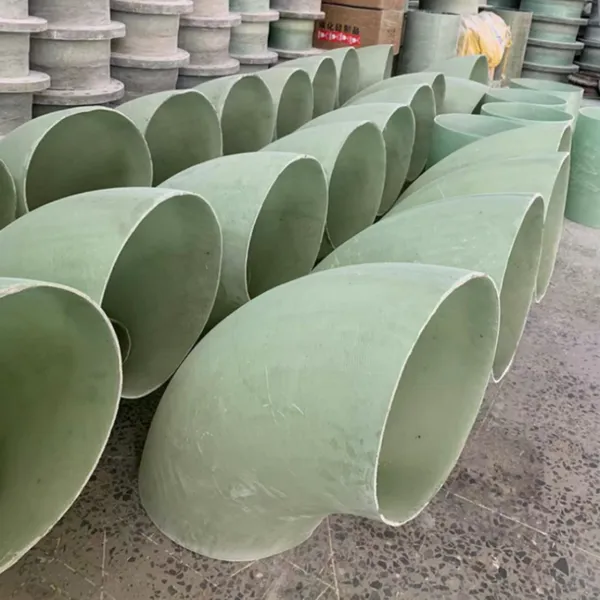 Read More

Contact Us
Recommended Products
-
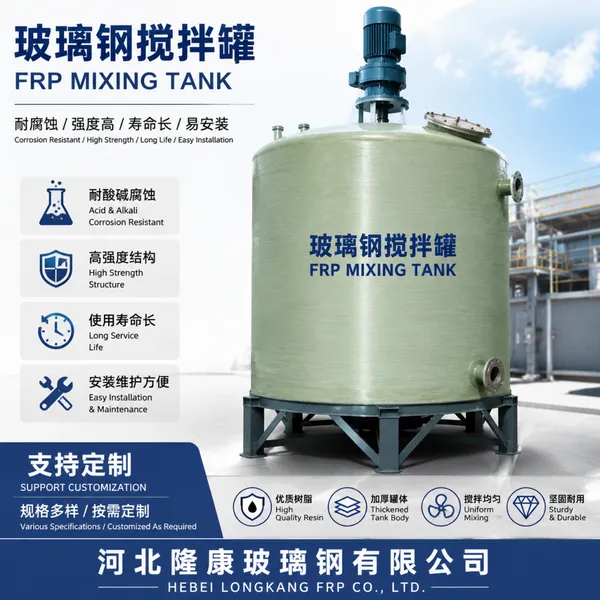
 Large Vertical FRP Mixing Tank, 0.5-100 Cubic Meter Full Size CustomizedUS$ 1099 - 1100MOQ: 10 Cubic Meters
 -
GRP Integrated Lifting Pump Station Sewage Rainwater Collection Factory DirectUS$ 6800 - 7000MOQ: 1 Combo
-
Large Diameter DN2800 FRP-GRP Continuous Winding Mortar PipeUS$ 48 - 50MOQ: 10 Meters
-
FRP / GRP Ventilation Duct for Industrial Exhaust SystemsUS$ 47 - 50MOQ: 10 Meters
-
Corrosion Resistant GRP Piping System for Seawater Desalination PlantsUS$ 190 - 200MOQ: 1 Meter
-
Glass Fiber Reinforced Plastic (GFRP) Pipeline Design for Hydropower Siphon SystemsUS$ 95 - 100MOQ: 1 Meter
-
GRP/FRP Fiberglass Pressure Pipelines for Hydropower Stations: Comprehensive GuideUS$ 95 - 100MOQ: 1 Meter
-
Outdoor Large Fiberglass GRP Water Tank Modular Assembled Potable Water TankUS$ 50 - 51MOQ: 1 Cubic Meter
-
SMC Modular GRP Water Tank Food Grade Fiberglass Drinking Water Storage TankUS$ 58 - 60MOQ: 1 Cubic Meter
-
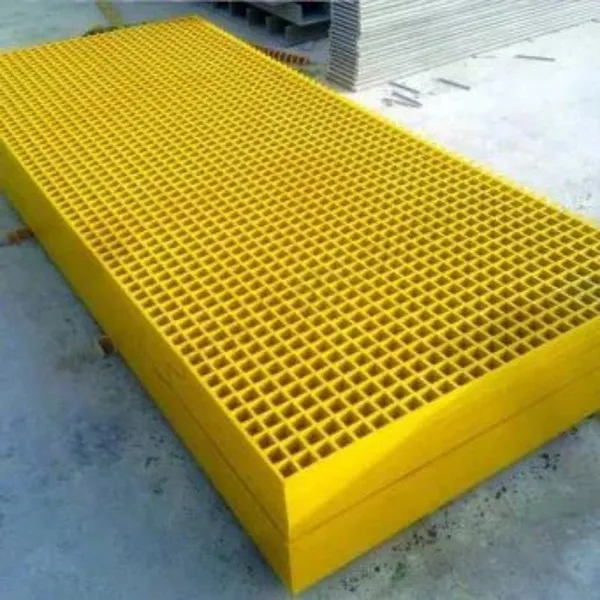
High Strength FRP GRP Grating & Cover | Anti-Corrosion | Custom Thickness/Color | OEM | Global DeliveryUS$ 18 - 19MOQ: 1 Unit
-
GRP Borehole Pipes | 50m-200m Depth Capacity | High-Strength for Water ExtractionUS$ 70 - 80MOQ: 10 Meters
-
GRP Ventilation Ducts | ISO 9001 Certified | Fire-Retardant for Industrial FacilitiesUS$ 70 - 80MOQ: 10 Meters
-
SMC Bolted Panel Tank | 10,000 Gallon | Industrial-Grade Corrosion ProtectionUS$ 68 - 70MOQ: 1 Cubic Meter
-
Export-Grade FRP Drinking Water Tank 10,000m³ Food-Grade Storage Free Design DrawingUS$ 48 - 50MOQ: 1 Cubic Meter
-
Export-Type FRP Neutralization Tank With Mixer Agitator Super Corrosion Resistance Essential for Chemical PlantsUS$ 1099 - 1100MOQ: 10 Cubic Meters
-
Export FRP Hydrochloric Acid Tank Acid-Alkali Resistant Chemical Vessel 1-100m³ With Level GaugeUS$ 850 - 900MOQ: 10 Cubic Meters
-
High Strength Fiberglass Sand Filled Pipe DN300-DN4000 FRP Pressure Pipe for Municipal Water Supply and DrainageUS$ 70 - 80MOQ: 10 Meters
-
FRP Drain Grate Heavy Duty For Industrial Floor Custom Color & Thickness Global Fast ShipmentUS$ 19 - 20MOQ: 1 Unit
-
FRP Grating Corrosion Resistant For Industrial Platform Support Custom Thickness & Color Export WorldwideUS$ 18 - 20MOQ: 10 Units
-
GRP Pipe Corrosion Resistant High Stiffness Export to Worldwide Support CustomizationUS$ 70 - 80MOQ: 10 Meters